About Learn Coptic For All
Empowering learners worldwide to master the Coptic language — the living voice of ancient Egypt — through structured, interactive lessons and a supportive global community.
🎯 Our Mission
To make Coptic language learning free, accessible, and effective for everyone — from complete beginners discovering the Coptic alphabet for the first time, to advanced speakers deepening their grammar and vocabulary — while nurturing a vibrant global community of passionate learners and heritage keepers.
📚 Our Platform
We offer structured Coptic alphabet and grammar lessons, an 11,284-word dictionary, AI-powered conversation practice, interactive Coptic word games, audio pronunciation guides, and a real-time community feed — all the tools you need to go from zero to fluent.
🤝 Our Community
Connect with fellow Coptic learners across the globe, share your progress, ask language questions, join study groups, and celebrate milestones together. Our community spans heritage speakers, theology students, historians, and curious learners from every background.
What We Offer
Structured Coptic Lessons
Progressive modules from the Coptic alphabet to advanced Bohairic grammar, with clear learning paths for every level.
Interactive Coptic Games
Gamified word games, Wordle-style Coptic challenges, and vocabulary quizzes to reinforce learning in a fun, engaging way.
Coptic Pronunciation Tools
Audio guides and pronunciation references to master authentic Bohairic and Sahidic Coptic sounds.
AI Coptic Tutor
Chat with our AI-powered Coptic language assistant — get instant translations, grammar explanations, and contextual examples 24/7.
11,284-Word Dictionary
Browse our comprehensive Coptic-English dictionary sourced from authoritative lexicons, including definitions and usage context.
Global Learner Community
Connect with Coptic learners and heritage speakers worldwide for language exchange, study groups, and cultural discussions.
Progress Tracking & Achievements
Monitor your Coptic learning journey with detailed statistics, streaks, and achievement badges that keep you motivated.
Live Community Feed
Post lesson updates, share Coptic phrases, ask grammar questions, and celebrate milestones with peers in real time.
A Story of Resilience: From St. Mark to the Erasure of the Coptic Language
In the heart of Ancient Egypt, where the Nile has flowed as a lifeblood for millennia, St. Mark the Apostle arrived in Alexandria around 60-62 AD. He carried the Gospel and preached love and salvation in a city of Greek philosophy and Pharaonic temples. The first to believe was Anianus, a shoemaker whom St. Mark healed; he later became the first Bishop of Alexandria. From there, Christianity spread across Egypt, and with the birth of the Coptic Church, the Coptic language became the language of prayer, hymns, and daily writing. It preserved an authentic Egyptian identity and became a symbol of faith and resilience.
Over the centuries, this language and its people faced repeated persecution and attempts to silence their voice.
A Brutal Beginning: After the Islamic Conquest (7th and 8th Centuries)
After the Islamic conquest of Egypt in 641 AD, heavy taxes such as Jizya and Kharaj became daily pressure. Copts revolted many times, most notably the Bashmuric Revolts in the Delta (720-832 AD). The response was severe: villages burned, mass killings, captivity, and massacres. Caliph Al-Ma'mun personally led the final suppression in 831-832 AD. Under Al-Walid ibn Abd al-Malik (705 AD), Arabic became the official language of state administration, and Coptic civil servants were pushed out unless they shifted to Arabic. This was a major step in removing Coptic from public life.
Al-Mutawakkil and Official Discrimination (9th Century)
Under Abbasid Caliph Al-Mutawakkil (847-861 AD), discriminatory decrees targeted non-Muslim communities. Copts were forced into distinct clothing, restricted in movement and public religious expression, and churches faced demolition or tight permit controls. Coptic language use in documentation and daily life became increasingly constrained.
Al-Hakim bi-Amr Allah: The Cruelest Blow (996-1021 AD)
During the reign of Al-Hakim bi-Amr Allah, persecution intensified, especially between 1008 and 1014 AD. Copts were ordered to wear black clothing, a zunnar belt, and a heavy wooden cross. Christian feasts were restricted, bells were silenced, and many churches were destroyed in Egypt and the Levant. The most painful blow was against the language itself: strict orders were issued to abolish Coptic in public and private life, even in prayer. Speaking it could bring extreme punishment. This was an attempt to cut identity at its roots.
The Holy Sepulchre in Jerusalem (1009 AD)
The destruction of the Church of the Holy Sepulchre became one of the strongest symbols of this era of persecution. Built over the tomb of Christ, it was among Christianity's holiest sites. In 1009 AD, Al-Hakim ordered it demolished and burned to the foundations. The event shocked Christian communities and deepened tensions across regions for generations. Though partially rebuilt later, the historical wound remained.
The Mamluk Era: Constant Pressure (1250-1517 AD)
During the Mamluk period, suspicion and pressure intensified, especially in times linked to Crusader conflict. Church demolitions, social restrictions, and episodes of violence recurred. Public space for Coptic language and community life narrowed further.
The Ottoman Era: Survival in the Shadows (1517-1914 AD)
Under Ottoman rule, the Dhimmi framework persisted with financial and social pressure. Coptic language survived mainly in liturgy, monasteries, and church tradition, no longer dominant in everyday public life.
Endurance and Revival
Despite repeated attempts at erasure, Coptic endured in worship, monastic life, and memory. Learning and reviving Coptic today continues the journey of St. Mark: preserving the voice of Ancient Egypt and honoring a heritage of resilience.
Meet the Creator
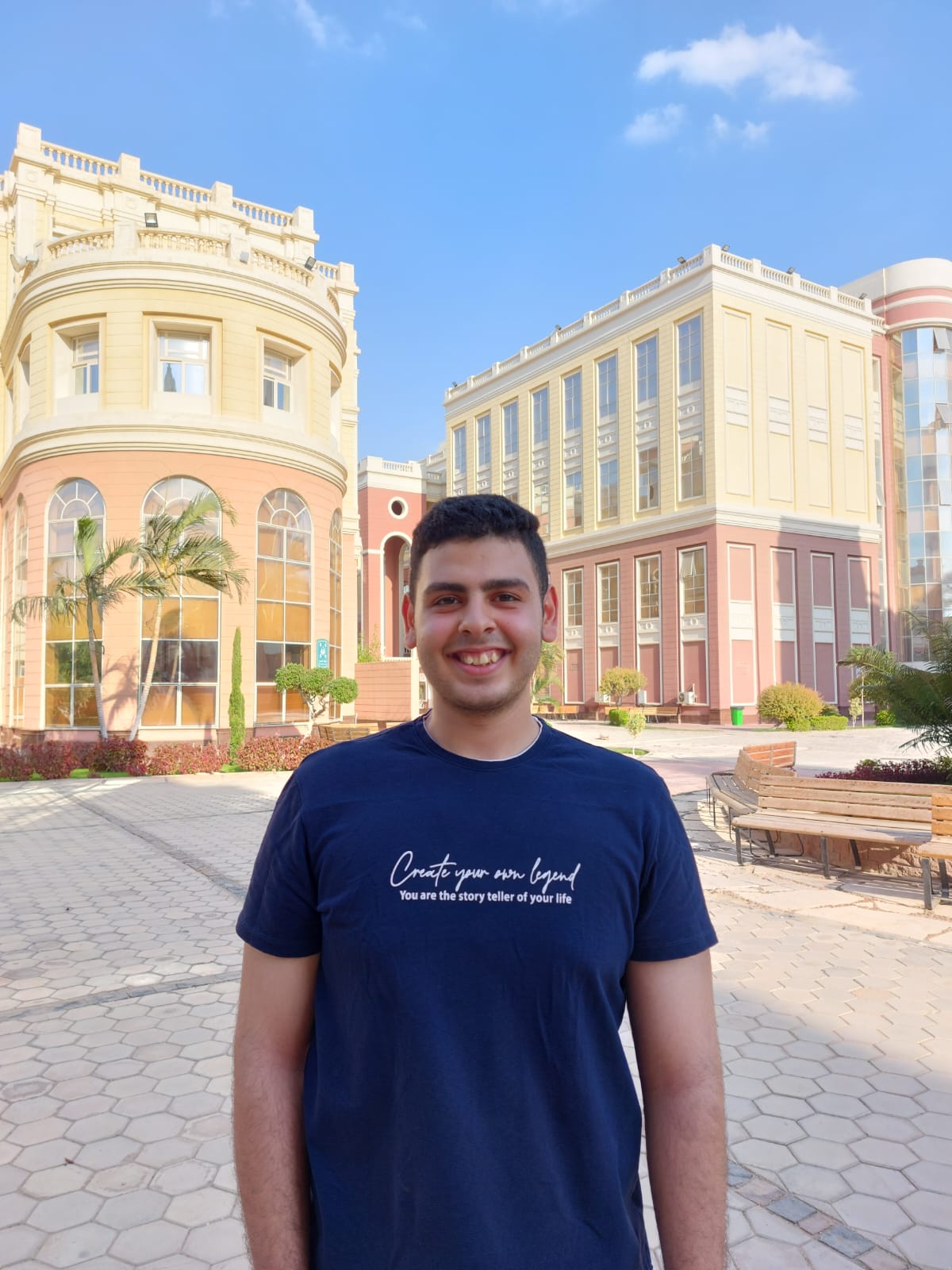
George Ezzat (Gourg Ezat)
George Ezzat is a results-driven IT student and CS50 Harvard graduate with a strong foundation in software development and AI. He is the founder of Learn Coptic For All — a non-profit digital platform dedicated to preserving and reviving the Coptic language and making it freely accessible to every learner worldwide. George designed every feature of this platform: the structured lesson curriculum, the 11,284-word dictionary, the AI-powered chatbot tutor, interactive games, and the global community.
With 5+ years of experience in youth leadership, digital media production, and community service, he combines technical expertise with a genuine passion for social impact. He is an intercultural communicator eager to contribute his diverse skills in technology to international volunteering and educational projects.
Recognized at a national level for outstanding contributions to cultural preservation and digital education.
Have Questions, Suggestions, or Feedback?
We'd love to hear from you. Whether you have lesson suggestions, technical issues, partnership ideas, or just want to say hello — George reads every message personally.
📧 Contact George Ezzat